Anúncios
Personal assistant apps have revolutionized how we manage daily tasks, schedule appointments, and stay organized in our increasingly busy lives.
These intelligent software solutions combine voice recognition, artificial intelligence, and machine learning to become your digital companion. They handle everything from setting reminders and answering questions to controlling smart home devices and managing your calendar.
The market for virtual assistants continues to grow exponentially, with millions of users relying on these tools every single day. Whether you’re a busy professional, a parent juggling multiple responsibilities, or someone looking to streamline their routine, understanding how these applications work can transform your productivity.
🎯 What Makes a Personal Assistant App Effective
A truly effective personal assistant application goes beyond simple voice commands. The best platforms integrate seamlessly with your existing ecosystem, learning your preferences and adapting to your unique workflow.


Voice recognition accuracy stands as the foundation of any quality assistant. Modern apps can now understand natural language with impressive precision, recognizing different accents, speech patterns, and even context-specific requests. This technology has improved dramatically over the past five years.
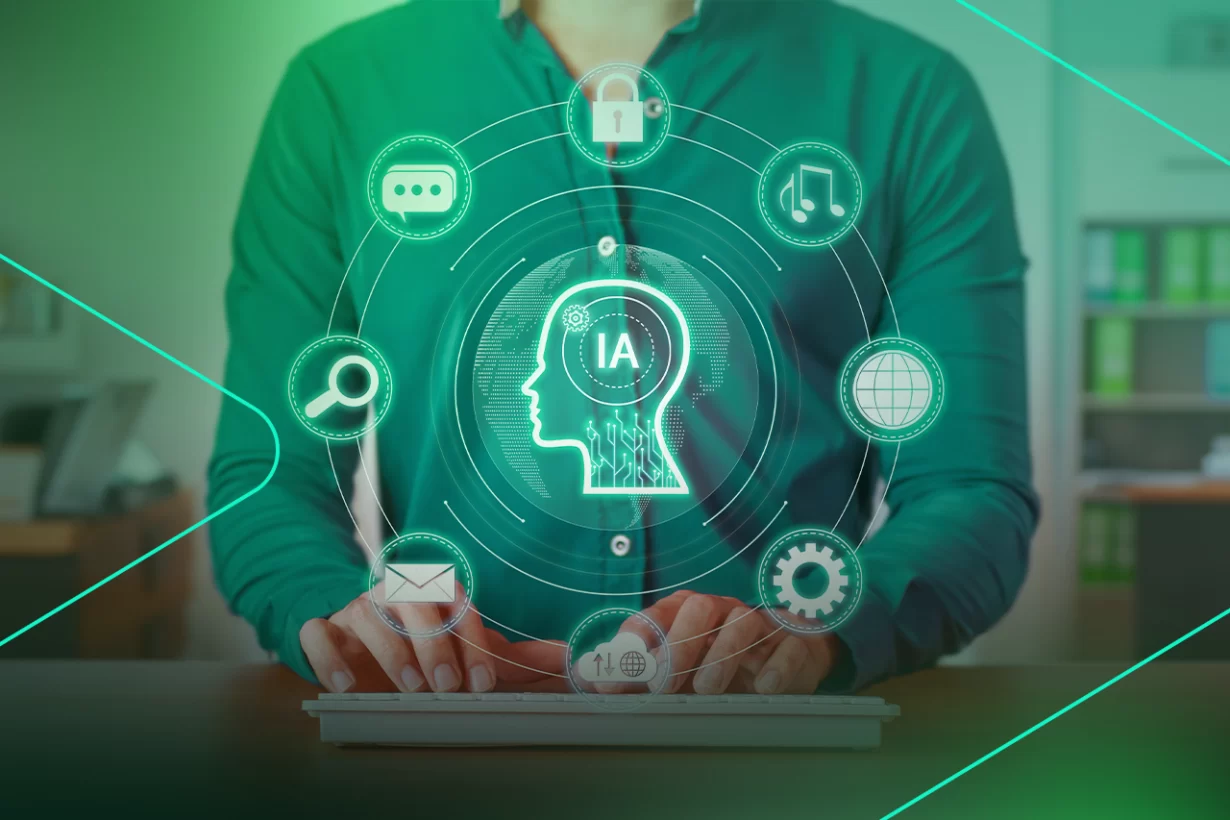
The integration capabilities determine how useful the app becomes in real-world scenarios. Top-tier assistants connect with:
- Email and calendar platforms (Gmail, Outlook, Apple Calendar)
- Task management systems (Todoist, Microsoft To-Do, Any.do)
- Music streaming services (Spotify, Apple Music, YouTube Music)
- Smart home devices (lights, thermostats, security cameras)
- Navigation apps (Google Maps, Waze, Apple Maps)
- Communication tools (messaging apps, phone dialer)
Machine learning enables these assistants to become smarter over time. They analyze your habits, frequently asked questions, and daily routines to provide proactive suggestions before you even ask.
Core Features That Drive Daily Value
The most utilized features across personal assistant platforms reveal what users truly need. Hands-free operation remains the primary draw, allowing you to multitask while driving, cooking, or exercising.
Natural language processing has reached a point where you can speak conversationally rather than using robotic commands. Instead of saying “Set timer fifteen minutes,” you can naturally say “Remind me to check the oven in about a quarter hour.”
Context awareness sets premium assistants apart from basic ones. They remember previous conversations, understand follow-up questions, and maintain conversational flow. This creates a more human-like interaction that feels less mechanical.
📱 Popular Personal Assistant Platforms Compared
The market offers several major players, each with distinct strengths and limitations. Understanding these differences helps you choose the right fit for your specific needs.
| Assistant | Best For | Ecosystem | Key Strength |
|---|---|---|---|
| Google Assistant | Android users & search queries | Google services | Search accuracy & knowledge base |
| Siri | Apple device owners | iOS/macOS | Deep system integration |
| Alexa | Smart home control | Amazon services | Third-party skills & shopping |
| Cortana | Microsoft 365 users | Windows/Office | Productivity tools integration |
Google Assistant excels at answering complex questions and providing detailed information. Its connection to Google’s massive knowledge graph means you get accurate answers to trivia, facts, and real-time information like weather, traffic, and sports scores.
The platform supports over 30 languages and understands multiple dialects within each language. This makes it particularly valuable for multilingual households or international travelers.
Customization and Personalization Options
Modern assistants allow extensive customization to match your preferences. You can adjust voice speed, choose between different voice options, and set preferred units of measurement.
Routines represent one of the most powerful customization features. You create a single command that triggers multiple actions. For example, saying “Good morning” could automatically:
- Turn off your alarm
- Read your calendar for the day
- Provide weather and traffic updates
- Start your coffee maker
- Play your favorite news podcast
Privacy controls have become increasingly important. Quality apps now offer options to delete voice recordings, disable certain data collection features, and review exactly what information is being stored.

⚡ Productivity Boosting Capabilities
Personal assistants transform productivity when used strategically. The key lies in identifying repetitive tasks that consume mental energy and delegating them to automation.
Calendar management becomes effortless when your assistant can schedule appointments, send meeting invites, and provide reminders. Voice commands like “Schedule a meeting with Sarah next Tuesday at 2 PM” create calendar events instantly.
Email triage saves hours each week. Advanced assistants can read new messages, identify priority emails, compose draft responses, and even send routine replies based on learned patterns.
Task Management and To-Do Lists
Voice-based task creation captures ideas the moment they occur. Whether you’re driving, showering, or in the middle of another activity, you can quickly add items to your list without breaking flow.
The best systems organize tasks by category, priority, and due date automatically. They can also suggest optimal times to complete tasks based on your calendar availability and historical patterns.
Location-based reminders add another dimension of utility. Your assistant can remind you to buy milk when you’re near a grocery store or pick up dry cleaning when passing that specific location.
🏠 Smart Home Integration Benefits
Personal assistants serve as the central control hub for connected homes. This integration creates convenience that seemed like science fiction just a decade ago.
Voice control for lighting allows you to adjust brightness, color, and specific room settings without touching a switch. Commands like “Dim the living room lights to 30%” or “Turn all lights off” work across compatible smart bulbs.
Temperature management through voice commands means you can adjust your thermostat from bed, set schedules for different times of day, and even receive energy usage reports.
Security and Monitoring Features
Connected security systems integrate with personal assistants for enhanced peace of mind. You can check camera feeds, lock doors, arm alarm systems, and receive alerts about unusual activity—all through voice commands or app notifications.
The ability to control these features remotely adds significant value. While traveling, you can verify your home is secure, adjust settings, and even create the appearance of occupancy by controlling lights and blinds on schedules.
🔍 Search and Information Retrieval
The information-finding capabilities of modern assistants have become remarkably sophisticated. They pull data from multiple sources and present answers in digestible formats.
Real-time information queries cover weather forecasts, traffic conditions, stock prices, sports scores, and breaking news. The responses are conversational and contextual rather than just reading search results.
Translation features turn your assistant into a pocket interpreter. You can translate phrases, words, or entire conversations across dozens of languages, making international travel and communication much easier.
Learning and Educational Applications
Personal assistants function as on-demand tutors for curious minds. They can explain concepts, solve math problems, spell words, define terms, and provide historical facts instantly.
Children benefit from interactive learning experiences where they can ask questions naturally and receive age-appropriate explanations. This encourages curiosity and independent learning habits.
Recipe assistance in the kitchen demonstrates practical educational value. You can ask for cooking instructions, measurement conversions, substitution suggestions, and timer management—all hands-free while preparing meals.
💼 Professional Use Cases
Business professionals leverage personal assistants to stay competitive and efficient. The time saved on administrative tasks translates directly to increased focus on high-value activities.
Meeting preparation becomes streamlined when your assistant can pull up relevant documents, summarize previous discussions, and provide briefing information about attendees.
Dictation capabilities allow you to compose emails, documents, and notes much faster than typing. Modern speech-to-text accuracy exceeds 95% for clear speakers, and the systems intelligently add punctuation and formatting.
Communication and Collaboration Tools
Making calls, sending messages, and initiating video conferences through voice commands keeps you connected without disrupting your workflow. You can specify which app to use for each communication type.
Group coordination becomes easier when your assistant can send messages to multiple people, create shared calendar events, and manage collaborative task lists across team members.
🎵 Entertainment and Media Control
Personal assistants excel at managing your entertainment experience. Music playback represents one of the most common daily uses, with natural commands like “Play something upbeat” or “Skip this song.”
Podcast and audiobook control lets you pause, resume, skip chapters, and adjust playback speed without touching your device. This proves particularly useful during workouts, commutes, or household chores.
Streaming video control works with compatible smart TVs and streaming devices. You can search for content, launch specific shows, adjust volume, and control playback entirely through voice.
Personalized Recommendations
Machine learning algorithms analyze your listening and viewing habits to suggest new content aligned with your preferences. These recommendations often introduce you to artists, shows, and genres you might never have discovered.
The system learns which suggestions you act on and refines future recommendations accordingly. Over time, this creates an increasingly accurate understanding of your entertainment preferences.
🔐 Privacy and Security Considerations
Using personal assistants requires balancing convenience with privacy awareness. Understanding what data is collected and how it’s used allows you to make informed decisions.
Voice recordings are typically stored to improve accuracy and personalization. However, reputable platforms provide tools to review, delete, or prevent the storage of these recordings entirely.
Account security should include strong passwords and two-factor authentication. Since these assistants access sensitive information like emails, calendars, and smart home controls, proper security measures are essential.
Data Management Best Practices
Regular privacy audits help maintain control over your information. Review which services have access to your assistant, what permissions they hold, and revoke access for apps you no longer use.
Activity logs provide transparency about what your assistant has been doing. These records show commands issued, searches performed, and actions taken, allowing you to verify nothing unexpected has occurred.
🚀 Future Developments in Personal Assistant Technology
The evolution of these platforms continues at a rapid pace. Emerging technologies promise to make assistants even more capable and intuitive.
Emotional intelligence represents the next frontier. Future assistants will detect mood through voice tone and adjust their responses accordingly, providing encouragement, humor, or straightforward efficiency based on your emotional state.
Proactive assistance will move beyond reactive responses. Your assistant will anticipate needs based on patterns, suggesting actions before you ask. For example, noticing you usually order groceries on Sunday might prompt a reminder with your typical shopping list already prepared.
Cross-platform integration will become seamless, allowing one conversation to continue across different devices as you move through your day. Starting a task on your phone, continuing on your laptop, and finishing on your smart speaker will feel completely natural.
Advanced personalization through AI will create unique experiences for each user. The same assistant platform will behave differently for different people, adapting to individual communication styles, preferences, and needs with remarkable precision.
