
Anúncios
Earthquakes strike without warning, but technology now allows us to receive alerts seconds before the shaking starts, potentially saving lives and reducing panic.
In an era where our smartphones have become indispensable companions, earthquake alert applications represent a crucial intersection of technology and public safety. These powerful tools transform our mobile devices into personal seismographs, delivering real-time notifications about seismic activity anywhere in the world.
Whether you live in an earthquake-prone region like California, Japan, or Chile, or simply want to stay informed about global seismic events, earthquake notification apps have evolved into sophisticated early warning systems that can provide precious seconds of advance notice before tremors arrive.
🌍 Why Earthquake Alert Apps Are Essential in 2024
The unpredictability of earthquakes makes them one of nature’s most feared phenomena. Unlike hurricanes or floods, which meteorologists can track and predict days in advance, seismic events occur suddenly and without obvious warning signs. This is precisely where earthquake notification apps prove their worth.
Modern earthquake apps utilize data from thousands of seismographs worldwide, combined with sophisticated algorithms that can detect the initial P-waves (primary waves) of an earthquake. These faster-moving waves arrive before the more destructive S-waves (secondary waves), creating a critical window of opportunity for alerts.
For people living in high-risk zones, those crucial seconds can mean the difference between being caught off-guard and having time to take protective action. You can drop under a sturdy table, move away from windows, stop your car safely, or even halt surgical procedures in hospitals.


📱 How Earthquake Notification Technology Works
Understanding the technology behind these apps helps appreciate their remarkable capabilities. Earthquake alert systems rely on a global network of seismometers that continuously monitor ground movements. When an earthquake occurs, these sensors detect the initial waves and immediately transmit data to central processing systems.
Advanced algorithms analyze this information within milliseconds, calculating the earthquake’s location, magnitude, depth, and potential impact zones. The system then sends push notifications to users in affected areas, often before they physically feel the shaking.
The speed of this process is extraordinary. While earthquake waves travel at approximately 3-7 kilometers per second, electronic signals move at nearly the speed of light. This fundamental physics principle enables early warning systems to outpace the destructive waves themselves.
🔔 Key Features That Define Quality Earthquake Apps
Not all earthquake apps are created equal. The most reliable applications share several critical features that distinguish them from basic notification services:
- Real-time alerts: Immediate push notifications when seismic activity is detected in your area or regions you’re monitoring
- Customizable notification settings: Filter alerts by magnitude, distance, and specific locations to avoid notification fatigue
- Interactive maps: Visual displays showing earthquake locations, intensity, and affected areas with color-coded severity levels
- Historical data access: Browse past earthquakes to understand seismic patterns and regional risk levels
- Safety instructions: Built-in guidance on protective actions to take during and after seismic events
- Multiple data sources: Integration with authoritative organizations like USGS, EMSC, and regional geological services
- Offline functionality: Access to safety information even when internet connectivity is disrupted

🏆 Top Earthquake Alert Applications Worth Downloading
The mobile app marketplace offers numerous earthquake notification options, each with unique strengths. While individual preferences vary based on location and specific needs, several applications consistently receive high marks from both users and safety experts.
My Earthquake Alerts stands out as a comprehensive solution that balances sophisticated features with user-friendly design. The app provides customizable notifications, detailed earthquake information, and an intuitive interface that makes monitoring seismic activity effortless. Its global coverage ensures you stay informed whether you’re at home or traveling internationally.
Another excellent option is the LastQuake app, developed by the European-Mediterranean Seismological Centre. This application emphasizes rapid information sharing and includes a unique feature allowing users to report felt earthquakes, creating a crowdsourced network that supplements traditional seismograph data.
For users in specific high-risk regions, dedicated applications like ShakeAlert (for the US West Coast) or Japan’s earthquake early warning systems offer hyper-localized alerts optimized for their particular tectonic environments.
⚙️ Configuring Your Earthquake App for Maximum Effectiveness
Installing an earthquake app is just the first step. Proper configuration ensures you receive relevant alerts without being overwhelmed by notifications from distant events that don’t affect you.
Start by setting your home location and any additional areas you want to monitor, such as where family members live or places you frequently travel. Most apps allow you to establish notification thresholds based on earthquake magnitude—typically, setting alerts for earthquakes above magnitude 4.0 within 50-100 kilometers of your location strikes a good balance.
Enable push notifications and ensure your phone’s Do Not Disturb settings won’t silence critical earthquake alerts. Many apps offer distinct notification sounds for different severity levels, helping you instantly recognize the urgency of an alert.
Take time to explore the app’s educational resources. Familiarizing yourself with safety protocols before an emergency occurs dramatically improves your response time when seconds matter most.
🚨 What to Do When You Receive an Earthquake Alert
Receiving an earthquake notification triggers a critical decision-making moment. Your response depends on where you are and how much warning time the alert provides.
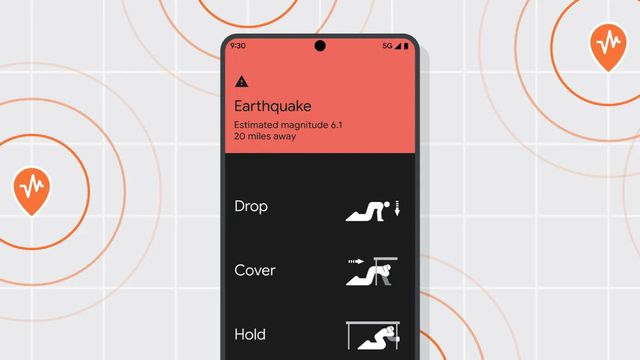
If you’re indoors, immediately drop to your hands and knees, take cover under a sturdy desk or table, and hold on until the shaking stops. Stay away from windows, mirrors, and heavy objects that could fall. Don’t attempt to run outside during shaking, as falling debris poses significant danger.
When outdoors, move to an open area away from buildings, power lines, and trees. If you’re driving, pull over to a safe location away from overpasses, bridges, and power lines, then remain inside your vehicle with your seatbelt fastened.
After the shaking stops, be prepared for aftershocks, which can occur minutes, hours, or even days after the main event. Check yourself and others for injuries, inspect your surroundings for hazards like gas leaks or structural damage, and follow evacuation procedures if necessary.
💡 Understanding Earthquake Magnitude and Alert Priorities
Earthquake magnitude scales can seem confusing, but understanding them helps you interpret app notifications accurately. The Richter scale, while famous, has largely been replaced by the moment magnitude scale (Mw) for scientific measurements.
Earthquakes below magnitude 3.0 are rarely felt by people and typically don’t require action. Magnitude 3.0-3.9 events are often felt but rarely cause damage. Earthquakes of magnitude 4.0-4.9 produce noticeable shaking and may cause minor damage near the epicenter.
When you receive an alert for a magnitude 5.0-5.9 earthquake, take it seriously—these can cause considerable damage in populated areas. Magnitude 6.0 and above earthquakes are major events that can produce widespread destruction and deserve immediate protective response.
Remember that magnitude measures earthquake energy, while intensity describes the effects at a specific location. A magnitude 6.0 earthquake 200 kilometers away might be less threatening than a magnitude 4.5 event directly beneath your location.
🌐 Global Earthquake Monitoring Networks and Data Sources
Earthquake apps rely on data from established scientific organizations that operate extensive seismograph networks. The United States Geological Survey (USGS) maintains one of the world’s most comprehensive earthquake monitoring systems, providing data that powers countless applications globally.
The European-Mediterranean Seismological Centre (EMSC) offers rapid earthquake information for Europe, the Mediterranean region, and worldwide. Their data feeds numerous apps and websites, emphasizing quick information dissemination to affected populations.
Regional networks like Japan’s sophisticated earthquake early warning system or Mexico’s SASMEX represent specialized systems optimized for their specific tectonic environments. These regional networks often provide faster, more accurate alerts for their coverage areas than global systems can achieve.
Many modern earthquake apps aggregate data from multiple sources, cross-referencing information to improve accuracy and reduce false alarms. This multi-source approach enhances reliability while providing redundancy if one data feed experiences technical issues.
📊 Earthquake Preparedness Beyond Mobile Apps
While earthquake notification apps are invaluable tools, comprehensive preparedness requires additional measures. Your smartphone app should complement, not replace, other safety preparations.
Create an emergency kit containing water, non-perishable food, first aid supplies, flashlights, batteries, and important documents. Store this kit in an accessible location that won’t be blocked if furniture shifts during an earthquake.
Develop a family communication plan that designates a meeting place and out-of-area contact person. Cell networks often become overloaded immediately after significant earthquakes, so having pre-established protocols prevents confusion and panic.
Secure heavy furniture, water heaters, and large appliances to walls using appropriate anchoring hardware. Identify safe spots in each room of your home and practice drop, cover, and hold-on drills regularly with family members.
Participate in earthquake preparedness programs offered by local emergency management agencies. These programs provide region-specific guidance based on your area’s particular seismic risks and building construction standards.
🔋 Keeping Your Earthquake App Reliable During Emergencies
An earthquake app provides no value if your phone is dead when disaster strikes. Maintain your device’s reliability through several practical measures.
Keep your phone charged, especially overnight when many significant earthquakes have historically occurred. Consider purchasing a portable battery pack and keeping it charged for emergency situations where power might be unavailable for extended periods.
Enable battery-saving modes that preserve power for critical functions like receiving emergency alerts. Most smartphones allow you to customize which apps can run in the background—ensure your earthquake app maintains this permission.
Regularly update your earthquake app to benefit from improvements, bug fixes, and enhanced features. Developers continuously refine alert algorithms and add functionality based on user feedback and technological advances.
Test your app periodically by reviewing past earthquakes and verifying that notifications are reaching you properly. Many apps include testing features that send sample alerts so you can confirm everything works correctly.
🧠 The Psychology of Earthquake Alerts and Avoiding Panic
Receiving unexpected earthquake notifications can trigger anxiety, especially for people who’ve experienced traumatic seismic events. Understanding the psychological dimension of alerts helps you maintain composure during critical moments.
Familiarization reduces fear. Regularly reviewing your app’s features and practicing your response plan transforms abstract notifications into familiar cues for practiced behaviors rather than panic triggers.
Balance awareness with anxiety management. While staying informed is important, obsessively checking earthquake apps or monitoring every minor tremor can increase stress without improving safety. Configure notifications thoughtfully to receive critical alerts without constant reminders of seismic risk.
Recognize that false alarms occasionally occur. Seismograph networks sometimes register signals from explosions, mine collapses, or even sonic booms as potential earthquakes. When you receive an alert but don’t feel shaking, don’t assume the app is unreliable—you may be outside the affected area, or the initial detection may have been revised.
🌟 The Future of Earthquake Detection Technology
Earthquake early warning systems continue evolving rapidly, with emerging technologies promising even more effective alerts and longer warning times.
Machine learning algorithms are improving earthquake detection accuracy, distinguishing genuine seismic events from background noise more effectively than traditional methods. These systems learn from every earthquake, continuously refining their prediction models.
Crowdsourced detection represents an exciting frontier. Smartphones contain accelerometers that can detect earthquake motion—by networking millions of devices, researchers are creating distributed sensor networks that complement traditional seismographs and potentially detect earthquakes even faster.
Integration with smart home systems will enable automated protective actions. Imagine earthquake alerts that automatically shut off gas lines, open garage doors for quick evacuation, or even trigger protective mechanisms in buildings equipped with advanced engineering.
Satellite-based monitoring technologies are revealing subtle ground deformations that might indicate increasing earthquake risk in specific regions. While earthquake prediction remains scientifically challenging, these advances may eventually enable longer-term warnings for elevated risk periods.
✅ Making Earthquake Apps Part of Your Safety Routine
The most sophisticated earthquake app provides no benefit if you don’t integrate it into your daily awareness and preparedness practices. Treat your earthquake notification app as an essential safety tool, not merely an interesting curiosity.
Review your app’s alert history periodically to understand seismic activity patterns in your region. This awareness helps you recognize when unusual activity occurs and maintains your readiness to respond appropriately.
Share earthquake preparedness information with family, friends, and colleagues. Encourage others to install reliable earthquake apps and participate in preparedness planning. Communities where more people are informed and ready respond more effectively to disasters.
Stay educated about earthquake science and safety through resources provided within your app and from authoritative sources like geological surveys and emergency management agencies. Knowledge empowers confident action during emergencies when panic can be as dangerous as the event itself.
Remember that while earthquake apps provide invaluable early warning, they represent just one component of comprehensive preparedness. Combine technology with practical preparations, education, and practiced response plans to maximize your safety and that of your loved ones.
In our interconnected world, having earthquake notifications arrive on the device already in your pocket represents a remarkable convergence of scientific knowledge, technological capability, and practical safety. By choosing a reliable app, configuring it appropriately, and integrating it into your preparedness routine, you transform your smartphone into a potentially life-saving early warning system that keeps you informed and ready whenever the earth moves beneath your feet.
