Anúncios
Audiobook apps have transformed how millions of people consume literature, turning commutes, workouts, and household chores into opportunities for learning and entertainment.
The rise of digital narration platforms has created an entirely new way to experience stories, whether you’re a busy professional trying to finish that bestseller or a student absorbing educational content. These platforms offer features ranging from sleep timers to variable playback speeds, making reading accessible to everyone.
Understanding which audiobook application fits your lifestyle can dramatically enhance your daily routine. With thousands of titles available at your fingertips, choosing the right platform becomes essential for maximizing both value and enjoyment.
📚 Why Audiobook Applications Are Gaining Massive Popularity
The audiobook market has exploded over the past decade, with industry reports showing growth rates exceeding 20% annually. This isn’t just a trend—it represents a fundamental shift in how people engage with written content.
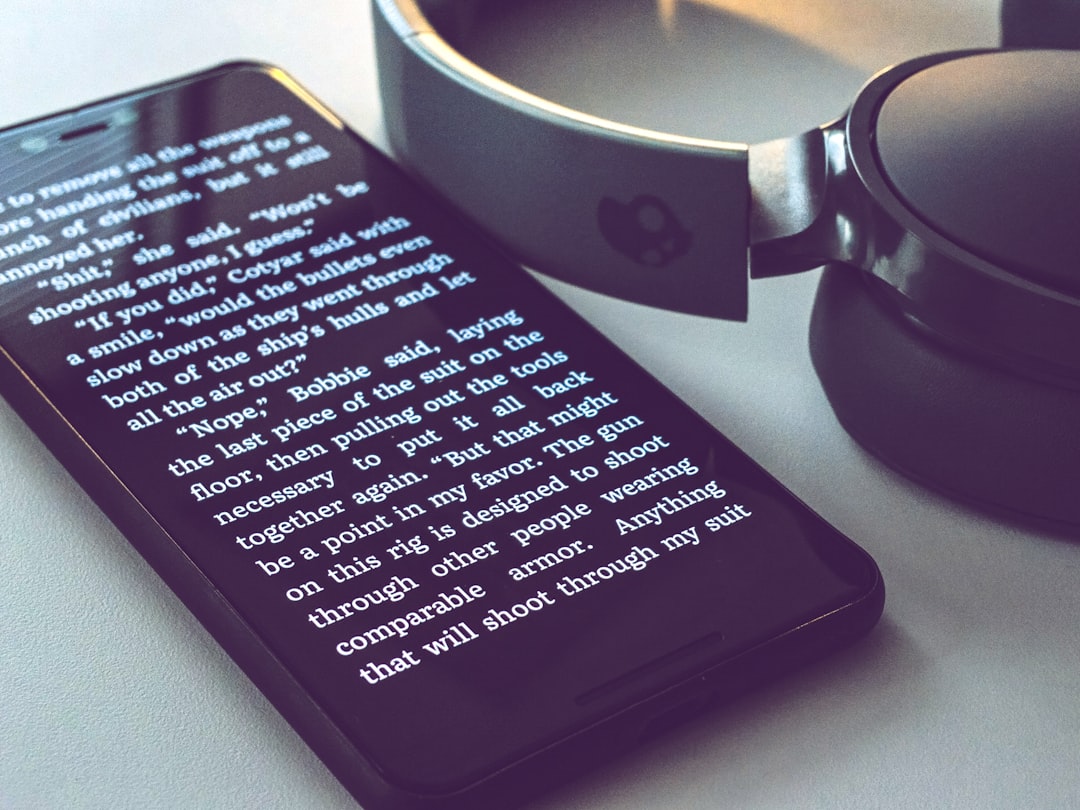
Modern listeners appreciate the multitasking capability that audio formats provide. Unlike traditional reading, you can absorb a full-length novel while driving to work, preparing dinner, or exercising at the gym. This efficiency appeals especially to time-conscious individuals who struggle to find dedicated reading time.
Professional narrators bring stories to life in ways print cannot match. Many audiobook apps feature celebrity voices, full-cast productions, and sound effects that create an immersive theatrical experience. The emotional nuance conveyed through vocal performance adds depth that resonates with listeners on a different level than silent reading.
Accessibility remains another crucial factor. People with visual impairments, dyslexia, or other reading challenges find audiobooks empowering. The technology democratizes literature, ensuring everyone can access the same content regardless of physical limitations.
🎯 Key Demographics Driving Audiobook Adoption
Research reveals interesting patterns about who’s embracing this format:
- Commuters: Individuals spending 45+ minutes daily traveling represent the largest user segment
- Fitness enthusiasts: Runners, cyclists, and gym-goers frequently cite audiobooks as their preferred workout companion
- Parents: Multitasking caregivers listen while managing household responsibilities
- Students: Young adults use audiobooks for both academic texts and leisure reading
- Seniors: Older adults appreciate the ease of use and reduced eye strain
🔍 Essential Features to Look for in an Audiobook App
Not all audiobook platforms offer the same experience. Knowing which features matter most helps you select the service that aligns with your preferences and budget.
Library Size and Content Variety
The breadth of available titles directly impacts your satisfaction. Premium services typically offer 500,000+ audiobooks spanning every genre imaginable—from contemporary fiction to specialized academic texts. Look for platforms that regularly update their catalog with new releases and maintain extensive backlists of classic literature.
Genre diversity matters equally. Whether you’re interested in business strategy, true crime, science fiction, or self-help, your chosen app should deliver robust options within your preferred categories.
Playback Customization Options
Advanced playback controls significantly enhance the listening experience:
- Variable speed settings: Adjust from 0.5x to 3.5x speed without distorting audio quality
- Sleep timers: Set automatic shutoff after a specified duration
- Bookmarking: Mark favorite passages for easy retrieval
- Chapter navigation: Skip forward or backward through sections effortlessly
- Car mode: Simplified interfaces designed for safe vehicle operation
These seemingly small features make daily use considerably more convenient, especially for power users who listen several hours weekly.
Offline Functionality
Download capabilities prove essential for travelers, subway commuters, or anyone with unreliable internet access. Quality audiobook apps allow you to download titles directly to your device, ensuring uninterrupted listening regardless of connectivity. Check storage management features—some apps automatically delete finished books to conserve space.

Cross-Device Synchronization
Seamless syncing across smartphones, tablets, and computers means you can start listening on your phone during your morning jog, continue on your tablet during lunch, and finish on your laptop in the evening—all without losing your place. Cloud-based synchronization happens automatically in well-designed applications.
💰 Understanding Pricing Models and Subscription Options
Audiobook apps employ various pricing structures, each with distinct advantages depending on your consumption habits.
Subscription-Based Services
Monthly subscription models typically range from $9.95 to $14.95 and include:
- One or more credits monthly, each redeemable for any audiobook regardless of retail price
- Access to exclusive member content and original productions
- Discounted pricing on additional purchases
- Free “Plus Catalog” titles with rotating selections
This model works exceptionally well for consistent listeners who finish at least one book monthly. Heavy users who complete 2-3 titles per month still find value through discounted additional purchases.
Pay-Per-Title Approaches
Some platforms operate without subscriptions, allowing individual audiobook purchases at standard retail prices. This suits casual listeners who prefer owning specific titles permanently without ongoing fees. Prices typically range from $10 for shorter works to $40+ for lengthy bestsellers.
Library Integration Programs
Several apps partner with public library systems, enabling free audiobook borrowing through your existing library card. These services impose lending periods (usually 7-21 days) and availability constraints, but cost nothing beyond your tax-supported library membership.
Wait times for popular titles can extend weeks or months, making this option ideal for patient, budget-conscious readers with flexible reading lists.
Free Ad-Supported Platforms
A growing number of applications offer free access to public domain classics and independent titles, supported by advertisements. While selection remains limited compared to premium services, these apps provide legitimate no-cost alternatives for exploring older literature or discovering new authors.
📱 Top Platform Comparison: Finding Your Perfect Match
Different audiobook applications excel in specific areas. Understanding these strengths helps match your needs with the right service.
| Platform Type | Best For | Average Monthly Cost | Library Size |
|---|---|---|---|
| Premium Subscription | Heavy listeners, new releases | $14.95 | 500,000+ titles |
| Library Partnership | Budget-conscious readers | Free | Varies by library |
| Independent Platform | Supporting authors directly | $9.99 | 100,000+ titles |
| Retailer-Integrated | Existing ecosystem users | $9.95 | 200,000+ titles |
Evaluating Audio Quality Standards
Professional audiobook production involves studio recording with trained narrators, resulting in superior clarity compared to amateur productions. Look for platforms guaranteeing:
- Minimum 64 kbps bitrate (128+ kbps preferred)
- Professional voice talent with acting credentials
- Quality control processes eliminating background noise and errors
- Enhanced audio for specific genres (full-cast drama productions, sound effects in thrillers)
Sample chapters before committing to lengthy audiobooks—narrator compatibility significantly affects enjoyment. Some voices may not match your preferences regardless of technical quality.
🎧 Maximizing Your Audiobook Experience
Getting the most from your audiobook app involves more than simply pressing play. Strategic approaches enhance retention, enjoyment, and overall value.
Optimal Listening Environments
Match content complexity to your activity level. Dense non-fiction or intricate plots demand more attention than light fiction. Save challenging material for focused activities like walking or commuting, reserving simpler entertainment for high-distraction environments like housework.
Invest in quality headphones or earbuds. Noise-canceling technology proves worthwhile for commuters, while bone-conduction headphones benefit runners who need environmental awareness. Budget $30-150 for equipment that dramatically improves audio clarity.
Strategic Speed Adjustment
Experiment with playback speeds to find your sweet spot. Many listeners comfortably process information at 1.25x-1.5x speed, effectively increasing reading capacity by 25-50% without comprehension loss. Start conservatively, gradually increasing speed as your brain adapts.
Slow speeds (0.75x-1.0x) suit complex academic content, poetry, or foreign language learning. The flexibility allows customization based on content difficulty and personal processing speed.
Building a Strategic Listening Queue
Curate a diverse wishlist balancing entertainment and education. Mix genres to prevent burnout—alternate between fiction and non-fiction, heavy and light material. Most apps allow queue organization, helping you maintain variety without decision fatigue when starting new titles.
Set reasonable goals. Finishing one book monthly provides steady progress without creating pressure. Track your annual totals to visualize improvement and stay motivated.
🌟 Specialized Features Worth Exploring
Advanced audiobook applications continue innovating beyond basic playback. These features add substantial value for engaged users.
Social and Community Integration
Some platforms incorporate social features allowing you to:
- Share favorite quotes and passages with friends
- Follow other listeners with similar tastes
- Join virtual book clubs organized around specific titles
- Leave reviews and ratings guiding future listeners
- Participate in author Q&A sessions and live events
These communities enhance enjoyment by connecting you with fellow enthusiasts who share your interests.
Personalized Recommendation Engines
Machine learning algorithms analyze your listening history, ratings, and browsing patterns to suggest new titles matching your preferences. Quality recommendation systems surface hidden gems you’d never discover through manual searching, expanding your literary horizons organically.
Whispersync Technology
Certain ecosystems synchronize audiobook progress with ebook versions, allowing seamless switching between reading and listening. Start reading on your tablet during lunch, then continue listening to the same book during your evening commute—the app automatically syncs your position across formats.
🔐 Privacy and Data Considerations
Audiobook apps collect substantial data about your preferences, listening habits, and device usage. Understanding these practices helps you make informed decisions about which platforms to trust.
Review privacy policies before subscribing. Look for transparency regarding:
- What data gets collected (listening history, location, device information)
- How companies use this information (personalization vs. third-party sales)
- Your ability to delete account data permanently
- Encryption standards protecting payment information
Reputable platforms prioritize user privacy, offering clear opt-out mechanisms for data collection beyond essential functionality. Be wary of free services with vague privacy policies—your listening data may be their actual product.
📊 Real-World Usage Patterns and Statistics
Understanding how others use audiobook apps provides context for setting your own expectations and goals.
Average listeners consume 8-12 audiobooks annually, though avid users regularly exceed 50 titles. Most sessions last 30-45 minutes, with morning commutes and evening wind-down periods representing peak listening times.
Genre preferences vary by demographics: business professionals favor non-fiction and biographies, while younger listeners lean toward fantasy and young adult fiction. Mystery and thriller genres maintain consistent popularity across all age groups.
Completion rates hover around 60-70% for purchased or credited audiobooks, significantly higher than ebook completion rates. The passive consumption format encourages finishing started titles rather than abandoning them mid-way.
🚀 Future Trends Shaping Audiobook Technology
The audiobook industry continues evolving rapidly, with several emerging technologies poised to transform the listening experience.
AI-Generated Narration
Artificial intelligence voice synthesis has improved dramatically, approaching natural human speech quality. While controversial among professional narrators, AI narration enables rapid production of niche titles that wouldn’t justify traditional studio recording costs. Expect increasing availability of AI-narrated educational content, technical manuals, and independent publications.
Interactive Audio Experiences
Experimental formats incorporate listener choices affecting story direction, creating “choose your own adventure” audiobooks for adults. These interactive narratives use app technology to track decisions and branch storylines accordingly, merging gaming elements with traditional storytelling.
Spatial Audio and Immersive Sound
Advanced audio engineering creates three-dimensional soundscapes placing listeners inside story environments. Premium productions increasingly utilize binaural recording techniques and spatial audio processing, delivering theater-quality immersion through standard headphones.
🎓 Educational Applications and Learning Benefits
Audiobooks offer unique advantages for academic and professional development beyond entertainment value.
Language learners benefit enormously from audio formats, hearing correct pronunciation while reading along with transcripts. Many apps offer foreign language content with variable speed controls, enabling learners to slow difficult passages while gradually building comprehension speed.
Professional development audiobooks transform commute time into continuing education opportunities. Business strategy, leadership development, and technical skills content consumed during otherwise idle hours accelerates career growth without requiring additional dedicated study time.
Students with learning differences often demonstrate improved comprehension when combining audio and visual reading modes. The multi-sensory approach reinforces retention and helps struggling readers access grade-level content that would frustrate them in print-only format.
💡 Making the Final Decision: Which App Deserves Your Time?
Selecting an audiobook application ultimately depends on your individual circumstances, preferences, and budget constraints.
Start by honestly assessing your listening volume. Occasional readers (1-3 books yearly) benefit most from library partnerships or pay-per-title options. Regular listeners (1+ books monthly) find subscription models economically superior, quickly recouping membership fees through included credits.
Consider existing ecosystem investments. Users already embedded in specific tech ecosystems often find integrated audiobook services most convenient, despite potentially limited selections compared to specialized platforms.
Test multiple services during trial periods before committing long-term. Most platforms offer 30-day free trials, allowing genuine evaluation of library selection, app interface, and feature sets. Use this window to test audio quality, navigation, and customer support responsiveness.
Priority features vary individually—some users demand extensive catalogs above all else, while others prioritize user interface simplicity or specific advanced features. Define your non-negotiables before comparing options to avoid decision paralysis from excessive choice.
The audiobook application you choose becomes a daily companion, shaping countless hours of entertainment, education, and personal growth. Taking time to select wisely pays dividends through enhanced enjoyment and long-term satisfaction with your literary journey.
