Anúncios
Video editing apps have revolutionized content creation, empowering millions to produce professional-quality videos directly from their smartphones and tablets anytime, anywhere.
The mobile video editing landscape has experienced explosive growth over the past five years. What once required expensive desktop software and technical expertise can now be accomplished with intuitive touch gestures and AI-powered tools. Whether you’re a TikTok creator, YouTube vlogger, business marketer, or simply someone who wants to preserve memories creatively, mobile editing applications offer unprecedented accessibility.
The democratization of video production has fundamentally changed how we communicate, market products, educate audiences, and share stories. Modern editing apps pack features that rival desktop programs, including multi-layer timelines, chroma key effects, motion tracking, and advanced color grading—all optimized for mobile processors.
🎬 Why Mobile Video Editing Apps Have Become Essential
The shift toward mobile-first content creation isn’t just a trend—it’s a fundamental transformation in how visual media gets produced. According to recent industry statistics, over 85% of social media content is now consumed on mobile devices, creating natural demand for tools that match this consumption pattern.


Speed and convenience represent the primary advantages. Traditional desktop editing workflows require importing footage, waiting for renders, and transferring files between devices. Mobile apps eliminate these friction points entirely. You can capture footage, edit it, and publish directly to social platforms within minutes—all from a single device.
The computational photography revolution has also played a crucial role. Modern smartphones capture 4K and even 8K video with impressive dynamic range and stabilization. When paired with sophisticated editing software, these devices become complete production studios that fit in your pocket.
The Creator Economy Drives Innovation 💡
Platform algorithms increasingly favor video content, with Instagram Reels, YouTube Shorts, and TikTok dominating engagement metrics. Creators who can produce and publish video content quickly gain significant competitive advantages. Mobile editing apps serve this need perfectly by reducing the time between concept and publication.
Professional videographers also increasingly incorporate mobile workflows for client previews, quick social media updates, and even final deliverables for digital-first campaigns. The stigma around “phone-edited” content has largely disappeared as app capabilities have matured.
🔧 Core Features That Define Quality Video Editing Apps
Not all editing applications offer the same capabilities. Understanding which features matter most for your specific use case helps narrow down the overwhelming number of options available in app stores.
Timeline Editing and Multi-Layer Support
Timeline-based editing provides the foundation for serious video work. This interface displays your video, audio, effects, and graphics as horizontal tracks you can precisely trim, split, and rearrange. Basic apps offer single-track editing suitable for simple cuts, while advanced options support unlimited layers for complex compositions.
Multi-layer functionality enables you to overlay text, images, graphics, and additional video clips simultaneously. This capability is essential for creating picture-in-picture effects, lower thirds, watermarks, and complex visual storytelling that keeps viewers engaged.
Effects, Transitions, and Filters 🎨
Visual polish separates amateur content from professional productions. Quality editing apps provide extensive libraries of:
- Transitions: smooth shifts between clips including fades, wipes, zooms, and creative geometric patterns
- Filters: preset color grades that establish mood and aesthetic consistency
- Effects: specialized tools like glitch effects, light leaks, lens flares, and particle systems
- Text animations: kinetic typography templates for titles, captions, and callouts
- Stickers and overlays: graphic elements that add personality and visual interest
The best applications balance quantity with quality, offering both extensive libraries and customization options that prevent your content from looking generic or template-based.
Audio Editing Capabilities 🎵
Sound design often gets overlooked by beginners, yet audio quality dramatically impacts viewer retention. Comprehensive editing apps include:
- Precise audio trimming and synchronization tools
- Volume envelope controls for fade-ins and fade-outs
- Royalty-free music libraries with multiple genres
- Sound effect collections for ambiance and impact
- Voice-over recording with noise reduction
- Audio extraction from video files
Advanced apps also feature beat detection that automatically syncs cuts to music rhythm, creating dynamic pacing that holds attention.

📱 Top Features That Separate Basic Apps from Professional Tools
As you progress beyond simple trimming and filtering, certain advanced capabilities become increasingly valuable for producing standout content.
Keyframe Animation and Motion Graphics
Keyframing allows you to create custom animations by setting parameter values at different points in time. You can animate position, scale, rotation, opacity, and various effects to create professional motion graphics without specialized software.
For example, you might keyframe a text layer to slide in from the left, scale up slightly, then fade out—all with smooth easing curves that create natural-looking motion. This technique transforms static elements into dynamic visual storytelling components.
Chroma Key and Green Screen Effects 🟢
Chroma keying removes solid-color backgrounds (typically green or blue) and replaces them with different footage or images. This Hollywood technique has become accessible through mobile apps with surprising accuracy.
Quality chroma key tools offer spill suppression to eliminate color bleeding, edge refinement for clean cutouts, and threshold adjustments for various lighting conditions. These features enable creative possibilities like placing yourself in exotic locations or creating educational content with custom backgrounds.
Speed Controls and Time Manipulation ⏱️
Controlling playback speed serves both creative and practical purposes. Speed ramping creates smooth transitions between slow motion and normal speed, adding cinematic drama to action sequences. Freeze frames emphasize key moments, while reverse playback creates surreal or humorous effects.
Advanced apps provide optical flow technology that generates intermediate frames for smoother slow-motion results, even when your original footage wasn’t captured at high frame rates.
🤖 AI-Powered Features Transforming Mobile Editing
Artificial intelligence has dramatically reduced the technical knowledge required for sophisticated editing techniques. Modern apps leverage machine learning to automate complex tasks that previously demanded professional expertise.
Auto-Captions and Subtitle Generation
Speech recognition technology automatically transcribes spoken dialogue and generates synchronized captions. This feature serves dual purposes: making content accessible to hearing-impaired viewers and increasing engagement since over 80% of social media videos are watched without sound.
The best implementations offer customizable caption styles, multiple languages, and editing interfaces for correcting transcription errors. Some apps even provide animated subtitle templates that highlight words dynamically as they’re spoken.
Automatic Beat Sync and Smart Editing 🎶
AI algorithms analyze music tracks to identify beats, tempo changes, and dynamic sections. The software then automatically cuts your footage to match these musical elements, creating rhythm-driven edits that feel professionally choreographed.
Some applications take this further with fully automatic video creation—you select clips and music, and the AI assembles a complete edit with transitions, effects, and timing. While these auto-edits rarely match manual precision, they provide excellent starting points or quick solutions for time-sensitive projects.
Background Removal and Object Tracking
Machine learning models can now identify subjects and separate them from backgrounds without green screens. This semantic segmentation technology opens creative possibilities like background replacement, focus effects, and artistic filters applied only to specific elements.
Object tracking uses similar technology to follow moving subjects and attach graphics, text, or effects that stay synchronized throughout the shot. This creates professional-looking composites that would be extremely time-consuming to animate manually.
💾 Export Settings, Formats, and Platform Optimization
Creating excellent edits means little if the final export doesn’t meet technical requirements or displays poorly on target platforms. Understanding output settings ensures your work looks its best wherever it’s viewed.
Resolution and Aspect Ratio Considerations 📐
Different platforms demand different video dimensions. Quality editing apps provide preset export profiles for common destinations:
| Platform | Optimal Resolution | Aspect Ratio |
|---|---|---|
| YouTube | 1920×1080 or 3840×2160 | 16:9 |
| Instagram Feed | 1080×1080 | 1:1 |
| Instagram Reels/TikTok | 1080×1920 | 9:16 |
| 1280×720 or 1920×1080 | 16:9 or 1:1 | |
| 1280×720 | 16:9 |
The ability to change aspect ratios within projects allows you to repurpose content efficiently. You might edit a 16:9 YouTube video, then reframe key sections as vertical 9:16 clips for Stories and Reels—maximizing your content’s reach across platforms.
Bitrate, Compression, and File Size 💿
Bitrate determines video quality and file size. Higher bitrates preserve detail but create larger files that take longer to upload and may buffer during playback. Professional apps offer adjustable bitrate settings, typically measured in megabits per second (Mbps).
For social media, 8-15 Mbps works well for 1080p content, balancing quality with manageable file sizes. For archival purposes or professional delivery, 20-50 Mbps preserves maximum detail.
The H.264 codec remains the standard for compatibility across devices and platforms. Newer H.265 (HEVC) compression offers better quality at smaller file sizes but may not play on older devices. Premium editing apps support both formats with codec selection based on your priorities.
🎓 Learning Curves and Interface Design Philosophy
The tension between powerful features and intuitive interfaces defines the mobile editing app market. Different applications target different user segments with corresponding design philosophies.
Beginner-Friendly Apps with Guided Workflows
Entry-level applications prioritize discoverability and immediate results. They typically feature:
- Template-based editing with pre-designed sequences
- Minimal menus with large, clearly labeled buttons
- Tutorial overlays explaining core functions
- Automatic quality settings that work well by default
- Limited customization to prevent overwhelming choices
These apps excel for users who want quick results without learning curves. However, creative limitations become apparent as skills develop, eventually necessitating transitions to more capable software.
Professional Tools with Desktop-Class Interfaces
Advanced editing applications adopt desktop software conventions, featuring dense interfaces with numerous panels, tools, and adjustment options visible simultaneously. This approach maximizes efficiency for experienced editors who understand industry-standard workflows.
The trade-off involves steeper learning curves and interfaces that can feel cramped on smaller phone screens. These apps shine on tablets where screen real estate supports complex layouts without constant menu navigation.
💰 Pricing Models: Free vs. Subscription vs. One-Time Purchase
Monetization strategies vary significantly across editing applications, each model offering distinct advantages and limitations.
Free Apps with Limitations
Many powerful editors offer completely free tiers with certain restrictions. Common limitations include:
- Watermarks on exported videos
- Maximum export resolution (often 720p)
- Limited effect and music libraries
- Restricted project length or number of layers
- Advertisement interruptions during editing
Free versions work well for casual users, learning purposes, or testing whether an app suits your workflow before committing financially.
Subscription-Based Premium Features 💳
Monthly or annual subscriptions have become the dominant monetization model. Subscribers typically receive:
- Watermark removal
- Unlimited exports at maximum resolution
- Access to premium effects, filters, and music
- Cloud storage for projects and assets
- Regular feature updates and new content
- Priority customer support
Subscription prices range from $3-15 monthly depending on feature sets. While ongoing costs add up, this model ensures continuous development and improvements.
One-Time Purchases and Lifetime Access
Some applications offer single payment options for permanent access to all features. This appeals to users who prefer ownership over rental models and edit frequently enough to justify the upfront cost.
The disadvantage involves potentially missing out on major feature updates that developers may release as separate paid versions. However, for stable workflows focused on core editing functions, one-time purchases provide excellent long-term value.
📊 Choosing the Right Video Editing App for Your Needs
With hundreds of options available, selecting the optimal editing application requires evaluating your specific requirements, skill level, and content goals.
Questions to Guide Your Decision Process
What type of content do you primarily create? Social media clips require different features than educational videos, vlogs, or cinematic short films. Match app strengths to your content category.
How frequently will you edit? Occasional users might prefer free apps or one-time purchases, while daily creators benefit from subscription models with extensive asset libraries.
What’s your current skill level? Beginners should prioritize intuitive interfaces with learning resources, while experienced editors need powerful tools with minimal limitations.
Which platforms will you publish to? Verify that your chosen app supports required aspect ratios and export formats for your target destinations.
Do you need specific advanced features? If your work demands chroma keying, motion tracking, or particular effects, ensure your app includes these capabilities before committing.
Device Compatibility and Performance Requirements 📲
Video editing demands significant processing power. Older or budget devices may struggle with:
- 4K timeline playback
- Real-time effect previews
- Multiple video layers
- AI-powered features requiring machine learning processing
- High frame rate footage manipulation
Check app system requirements against your device specifications. Many applications offer proxy editing modes that create lower-resolution working copies for smooth editing on modest hardware, then export using original high-quality files.
Storage capacity also matters significantly. Video files consume substantial space, particularly at 4K resolution. Ensure you have adequate free storage or consider apps with cloud project management that offloads data from your device.
🚀 Maximizing Your Mobile Editing Workflow Efficiency
Understanding app features represents only part of the equation. Developing efficient workflows multiplies your creative output and reduces frustration.
Organizing Assets and Project Files
Professional editors invest time in media organization before cutting a single clip. Create folders for different project categories, maintain consistent naming conventions, and delete unused footage regularly to prevent storage chaos.
Many apps support favorites or collections within media libraries. Tag your best clips immediately after shooting to streamline the selection process during editing sessions.
Leveraging Templates and Presets Strategically 🎯
Templates provide tremendous time savings for recurring content formats. If you produce weekly videos with consistent branding, create master templates with intro sequences, lower thirds, outro cards, and color grades already applied.
Duplicate these templates for each new project rather than recreating elements from scratch. This approach maintains visual consistency while reducing production time by 30-50%.
Custom presets for effects, text styles, and color grades similarly accelerate workflows. Invest time upfront developing your signature look as reusable presets, then apply them consistently across projects with single taps.
Learning Keyboard Shortcuts and Gestures
Touch interfaces enable intuitive interactions, but mastering gesture shortcuts dramatically increases editing speed. Common productive gestures include:
- Two-finger pinch to zoom timeline in/out
- Two-finger swipe to scrub through footage quickly
- Double-tap to select clips or reset zoom levels
- Long-press for additional context menus
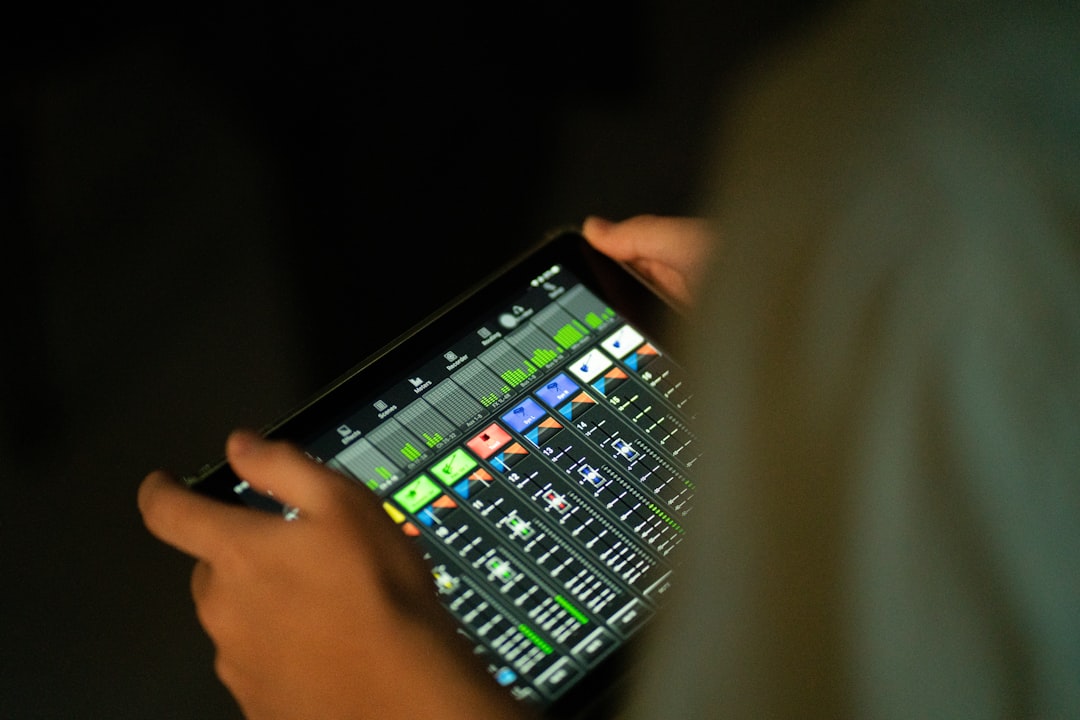
Apps supporting external keyboards often include traditional keyboard shortcuts familiar from desktop software—spacebar to play/pause, arrow keys for frame-by-frame navigation, letters for specific tools. This desktop-mobile hybrid approach offers the best of both interaction paradigms.
🌟 The Future of Mobile Video Editing Technology
Emerging technologies promise to further democratize video production and expand creative possibilities beyond current limitations.
Cloud-Based Editing and Collaboration
Cloud processing offloads intensive rendering tasks to remote servers, enabling complex edits on devices that couldn’t handle them locally. This technology removes hardware barriers, making professional-grade editing accessible on budget smartphones.
Collaborative workflows allow multiple editors to work on the same project simultaneously, with changes syncing in real-time. This mirrors professional desktop software capabilities while maintaining mobile convenience.
Augmented Reality Integration 🥽
AR filters already dominate social platforms, and editing apps increasingly incorporate advanced AR effects that integrate seamlessly with footage. Future developments may include real-time environment mapping, object insertion with proper lighting and perspective, and interactive elements that respond to viewer input.
Voice Control and Natural Language Editing
Voice interfaces powered by natural language processing could revolutionize editing workflows. Imagine saying “trim this clip to the music beat” or “apply cinematic color grade” and watching AI execute these commands accurately. This technology would make video editing accessible to users with physical limitations and dramatically reduce the time required for routine tasks.
The trajectory clearly points toward increasingly powerful, accessible, and intelligent mobile editing tools that continue blurring the lines between professional and consumer-grade production capabilities.
