
Anúncios
Struggling with low volume on your smartphone during calls, music playback, or watching videos? Discover how specialized apps can boost your device’s audio output beyond factory limits.
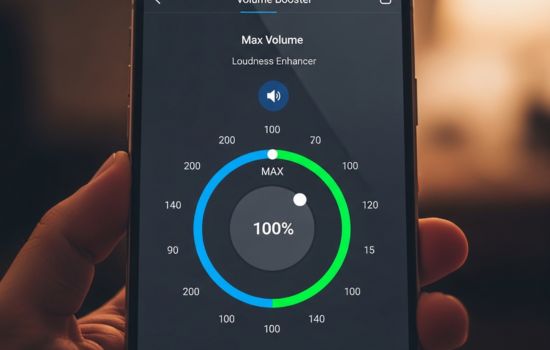
Many smartphone users face frustrating moments when their device’s maximum volume simply isn’t enough. Whether you’re in a noisy environment, sharing music with friends, or trying to hear navigation instructions while driving, inadequate sound levels can seriously impact your mobile experience. Fortunately, volume booster applications offer practical solutions to amplify your phone’s audio output safely.
These specialized tools work by optimizing your device’s sound processing capabilities, often accessing audio channels that standard settings don’t fully utilize. Before diving into how these apps work and which ones deliver the best results, it’s important to understand both their benefits and potential limitations to make informed decisions about boosting your smartphone’s volume.
🔊 Understanding How Volume Booster Apps Actually Work
Volume booster applications function by manipulating your smartphone’s audio processing system at a software level. Unlike the basic volume controls built into your operating system, these apps access deeper audio management features that can push sound output beyond standard limitations.
Most volume boosters work through several technical approaches. They may apply equalization adjustments that emphasize certain frequency ranges, making audio perceived as louder. Others use digital signal processing to amplify the audio stream before it reaches your speakers or headphones. Some advanced applications combine multiple techniques, including pre-amplification, dynamic range compression, and bass enhancement.
The effectiveness of these apps depends largely on your device’s hardware capabilities. Smartphones with higher-quality speakers and digital-to-analog converters will generally produce better results when using volume boosting software. However, even budget devices can experience noticeable improvements when the right app is configured properly.


The Science Behind Audio Amplification on Mobile Devices
Digital audio on smartphones consists of electrical signals converted into sound waves through speakers. The maximum volume your device produces is typically limited by manufacturers for several reasons: protecting speaker components from damage, complying with hearing safety regulations, and preserving battery life.
Volume booster apps essentially override these conservative limits by increasing the gain applied to audio signals. This amplification happens in the digital domain before conversion to analog signals, allowing for greater flexibility without requiring hardware modifications. The process involves analyzing incoming audio data, applying mathematical transformations to increase amplitude, and outputting the enhanced signal to your audio hardware.
🎯 Top Situations Where Volume Boosting Apps Prove Essential
Understanding when to use volume enhancement applications helps you get maximum value from these tools. Certain scenarios particularly benefit from increased audio output capabilities beyond factory settings.
Outdoor activities represent prime use cases for volume boosters. When you’re at the beach, park, or any open environment, ambient noise significantly reduces your phone’s effective volume. A booster app can make podcasts, music, or video calls audible even in challenging acoustic environments.
Shared listening experiences also benefit tremendously. When showing videos to friends or family, playing music at small gatherings, or using your phone as a makeshift speaker for group activities, extra volume makes content accessible to everyone present without requiring additional equipment.
Older devices with degraded speakers often need volume assistance. As smartphones age, speaker components may lose efficiency, producing quieter sound than when new. Volume boosting applications can compensate for this hardware deterioration, extending your device’s useful lifespan.

Professional and Accessibility Applications
Beyond entertainment, volume boosters serve important practical functions. People with hearing difficulties often require louder audio than standard settings provide. While dedicated hearing assistance devices exist, volume booster apps offer an accessible first step for those experiencing mild hearing loss.
Business professionals using phones for presentations or remote work meetings sometimes need enhanced audio output when proper sound systems aren’t available. In hotel rooms, temporary offices, or client sites, a volume booster can ensure everyone hears important information clearly.
📱 Key Features to Look for in Quality Volume Booster Apps
Not all volume enhancement applications deliver equal results. Understanding which features distinguish excellent apps from mediocre ones helps you select the most effective solution for your needs.
The best volume boosters offer granular control over different audio aspects. Look for apps providing separate adjustments for media, calls, notifications, and system sounds. This separation allows you to boost specific audio types without making everything unnecessarily loud.
Equalization capabilities represent another valuable feature. Apps with built-in equalizers let you fine-tune which frequencies receive amplification, preventing distortion while maximizing perceived loudness. Bass boost, treble enhancement, and mid-range adjustments all contribute to better overall sound quality.
Safety features should never be overlooked. Responsible volume booster apps include warnings about potential hearing damage at extreme levels and offer volume limiters to prevent accidental audio spikes. Some even incorporate automatic volume reduction after extended high-volume periods.
User Interface and Accessibility Considerations
An intuitive interface makes the difference between a frustrating and satisfying user experience. The best apps feature straightforward controls that don’t require technical audio knowledge to operate effectively. Quick-access widgets and notification panel controls add convenience for frequent adjustments.
Battery efficiency matters significantly since audio processing consumes device resources. Quality volume boosters optimize their operations to minimize battery drain while maintaining audio enhancement. Check user reviews specifically mentioning battery impact before committing to an app.
⚡ How to Safely Maximize Your Phone’s Volume Output
While volume booster apps offer impressive capabilities, using them responsibly protects both your hearing and device hardware. Following best practices ensures you enjoy enhanced audio without negative consequences.
Start with conservative settings and gradually increase volume until reaching your desired level. Sudden jumps to maximum amplification can damage speakers or cause hearing discomfort. Most quality apps allow incremental adjustments measured in decibels or percentage increases.
Monitor for audio distortion, which indicates you’ve exceeded your speakers’ clean output capabilities. When you notice crackling, buzzing, or muddied sound, reduce the boost level immediately. Persistent distortion can permanently damage speaker components through excessive excursion.
Take regular breaks from high-volume listening. Continuous exposure to amplified audio increases hearing damage risk significantly. The World Health Organization recommends limiting exposure to sounds above 85 decibels, and volume-boosted smartphones easily exceed this threshold.
Protecting Your Hearing While Using Volume Boosters
Hearing damage from excessive volume occurs gradually and often irreversibly. When using volume enhancement apps, remain conscious of exposure duration and intensity. If you need maximum volume regularly, consider investing in external speakers or headphones with better efficiency.
External headphones or earbuds actually work more effectively with volume boosters than built-in speakers. The amplified signal drives headphone drivers more efficiently, producing clearer sound at higher volumes without the physical limitations of small smartphone speakers.
🛠️ Troubleshooting Common Volume Booster Issues
Even the best volume enhancement applications occasionally encounter problems. Knowing how to resolve common issues ensures consistent performance and prevents frustration.
If your volume booster stops working after system updates, permissions may need resetting. Android and iOS frequently modify security protocols, requiring apps to request renewed access to audio controls. Navigate to your device settings and verify the app has all necessary permissions enabled.
Audio lag or synchronization problems sometimes occur when volume boosters interfere with normal audio processing. This manifests as delays between video and sound or stuttering playback. Reducing the boost intensity or disabling certain audio effects usually resolves these timing issues.
Compatibility problems with specific apps can arise when volume boosters conflict with other audio software. Music streaming services, video players, and communication apps each handle audio differently. If you experience issues with particular applications, check for compatibility modes or exclusion settings in your volume booster.
When Volume Boosters Don’t Seem Effective
Occasionally users install volume boosters without experiencing noticeable improvements. This typically stems from several causes worth investigating before abandoning the solution entirely.
First, verify that the app is actually active and processing audio. Many volume boosters require manual activation through toggles or buttons rather than working automatically upon installation. Check the app’s main interface to confirm it’s engaged.
Second, examine whether your device has hardware limitations preventing further amplification. Some smartphones implement strict audio output caps that software cannot override, particularly on iOS devices where system restrictions are more rigorous than Android.
🎵 Optimizing Different Audio Types for Best Results
Different content types benefit from specific volume boosting strategies. Tailoring your approach to what you’re listening to produces superior results compared to generic amplification.
Music playback requires balanced enhancement across frequency ranges to maintain audio quality. Excessive bass boost might sound impressive initially but often muddies vocals and instruments. For music, moderate overall amplification combined with subtle equalization adjustments delivers the cleanest results.
Podcast and audiobook content primarily consists of human speech, concentrated in mid-range frequencies. Boosting these specific frequencies while reducing bass and high treble produces clearer, more intelligible spoken content without distortion.
Video content combines dialogue, sound effects, and often music, requiring versatile amplification. Look for volume boosters offering presets specifically designed for video or enable features that automatically balance different audio elements within mixed content.
Gaming Audio Enhancement Strategies
Mobile gaming presents unique audio challenges, particularly for competitive players who rely on directional sound cues. Volume boosters can enhance game audio, but settings must preserve spatial information while increasing overall loudness.
Enable surround sound or 3D audio features if your volume booster includes them. These technologies maintain directional cues that help you locate enemies, objectives, or environmental hazards in games. Flat amplification without spatial processing can actually reduce gaming effectiveness despite louder volume.
🔐 Privacy and Security Considerations for Volume Apps
Like all applications, volume boosters require permissions that users should understand before installation. Being informed about what access these apps need helps you make security-conscious decisions.
Legitimate volume booster apps primarily need access to audio settings and output controls. Be cautious of applications requesting excessive permissions unrelated to audio processing, such as contacts, location, or camera access. These permissions may indicate privacy-invasive practices or malware.
Review the developer’s privacy policy before installing any volume booster. Reputable developers clearly explain what data they collect and how it’s used. Avoid apps with vague privacy policies or those lacking any privacy documentation entirely.
Stick to volume boosters from established developers with positive reputations and substantial user bases. Apps with millions of downloads and consistently high ratings generally prove more trustworthy than obscure applications with limited user feedback.
📊 Comparing Free vs. Premium Volume Booster Options
Both free and paid volume enhancement applications exist, each with distinct advantages and limitations worth considering based on your needs and budget.
Free volume boosters typically include advertisements and may offer limited features compared to premium versions. However, many free apps provide perfectly adequate functionality for casual users who need occasional volume boosts without advanced controls.
Premium applications generally eliminate ads while offering expanded features like advanced equalization, multiple user profiles, automatic volume adjustment based on environment, and priority customer support. The investment makes sense for power users who frequently rely on volume enhancement.
Some apps follow a freemium model, offering basic functionality free with optional paid upgrades for advanced features. This approach lets you test the app’s core capabilities before committing financially to premium features.
🌟 Making the Most of Your Volume Boosting Experience
Maximizing the benefits of volume booster applications involves more than just installation and activation. Strategic usage patterns and complementary practices enhance results significantly.
Clean your smartphone speakers regularly to ensure maximum acoustic output. Dust, lint, and debris accumulation in speaker grilles reduces volume and clarity regardless of software enhancements. Gentle cleaning with soft brushes removes obstructions without damaging delicate components.
Position your phone strategically to leverage acoustic properties of your environment. Placing your device in corners or against hard surfaces creates natural amplification through reflection and resonance, complementing the digital boost from your app.
Combine volume boosting with quality audio files whenever possible. Heavily compressed music or low-bitrate streams contain less audio information to amplify, limiting potential improvements. Higher quality sources respond better to volume enhancement while maintaining clarity.
Experiment with your volume booster’s settings to find optimal configurations for different scenarios. Save custom presets for various use cases—outdoor listening, quiet indoor environments, hands-free calling, or media sharing—allowing quick switching between ideal settings.
Remember that volume boosting represents one tool in your mobile audio toolkit. For truly critical listening situations or regular high-volume needs, consider investing in quality external speakers or headphones designed for greater output capabilities. Volume boosters work best as convenient solutions for occasional amplification rather than permanent fixes for inadequate audio hardware.
