Anúncios
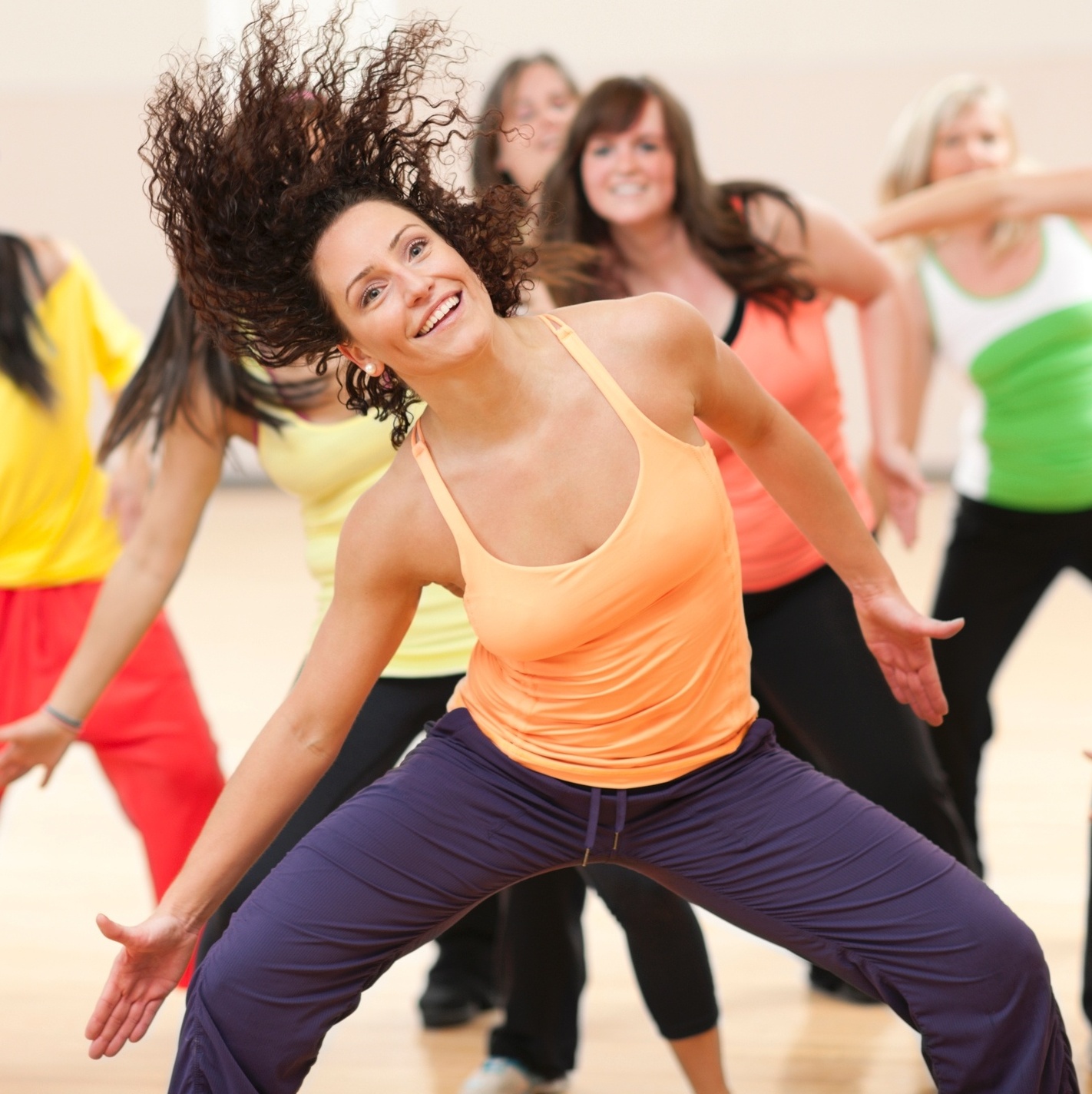
Learning Zumba has never been easier thanks to modern mobile applications that bring professional dance instruction right to your fingertips, anytime and anywhere you want to move.
The fitness landscape has transformed dramatically over the past few years. What once required expensive gym memberships and rigid class schedules can now happen in your living room, on your lunch break, or even while traveling. Zumba apps represent this shift perfectly, offering structured workouts led by certified instructors without the commute or monthly fees.
Whether you’re a complete beginner who’s never danced before or someone looking to refine your moves, these digital platforms provide step-by-step guidance tailored to different skill levels. The combination of Latin rhythms, cardio benefits, and fun choreography makes Zumba one of the most enjoyable ways to stay active, and having an app means you control when and how often you practice.
🎯 Why Choose a Zumba App Over Traditional Classes
Traditional Zumba classes offer fantastic energy and community spirit, but they come with limitations that apps elegantly solve. Scheduling flexibility tops the list—no more rushing to make a 6 PM class or missing sessions because of work conflicts.

Cost represents another major factor. A single gym membership with Zumba classes can run $50-100 monthly, whereas most apps charge $10-20 or offer free basic tiers. Over a year, that’s hundreds of dollars saved while still accessing professional instruction.
Privacy matters to many people. Not everyone feels comfortable dancing in front of strangers, especially when learning new moves. Apps let you practice in complete privacy until you feel confident enough to join group settings—or you might discover you prefer solo sessions permanently.
The replay feature alone makes apps invaluable. Missed a step? Rewind and watch it again. Struggling with a particular sequence? Repeat that section as many times as needed without holding up a class or feeling self-conscious.
💃 What Makes a Great Zumba Learning Application
Not all dance apps deliver the same quality or features. The best platforms share several key characteristics that make learning effective and enjoyable.
Structured Progression Systems
Top-tier apps organize content from absolute beginner to advanced levels. You shouldn’t jump into complex choreography on day one. Look for platforms that offer:
- Foundation classes that teach basic steps and rhythm patterns
- Progressive difficulty levels that build skills systematically
- Clear explanations of movement mechanics, not just follow-along sessions
- Practice modes that slow down movements for learning
Video Quality and Camera Angles
Grainy, poorly lit videos frustrate learners. Professional Zumba apps invest in high-definition recording with strategic camera angles. Multiple viewpoints help you understand footwork, hip movements, and arm positioning simultaneously.
The best instructors also provide mirror-image demonstrations, meaning when they move right, you move right (not the opposite direction), eliminating confusion for beginners.
Music Variety and Licensing
Zumba thrives on energetic music spanning salsa, reggaeton, cumbia, merengue, and more. Quality apps feature properly licensed tracks—not generic elevator music. The right soundtrack transforms a workout from boring exercise into an actual dance party.
Offline Accessibility
Internet connectivity shouldn’t limit your practice. Apps that allow downloading classes for offline viewing mean you can dance anywhere—during flights, in areas with poor signal, or while saving mobile data.

📱 Getting Started: Your First Week With a Zumba App
Starting something new can feel overwhelming, but breaking your first week into manageable steps ensures success and builds momentum.
Day 1-2: Setup and Orientation
Download your chosen app and spend time exploring the interface. Most platforms offer a tutorial or welcome sequence—don’t skip it. These orientations explain navigation, settings, and features you’ll use regularly.
Create your profile and set realistic goals. Be honest about your current fitness level. Apps that collect this information tailor recommendations to match your capabilities, preventing injury and discouragement.
Day 3-4: Master the Basic Steps
Every Zumba routine builds from fundamental movements. Dedicate these days to learning core steps like the merengue march, salsa basic, reggaeton bounce, and cumbia rhythm. Quality apps offer dedicated tutorials for each.
Practice each step for 5-10 minutes until muscle memory begins forming. Don’t worry about speed or perfection—focus on understanding the movement pattern and coordinating your body.
Day 5-7: Complete Beginner Routines
Now combine those basics into actual dance sequences. Start with 10-15 minute beginner classes that incorporate the steps you’ve practiced. You’ll recognize movements, which builds confidence and helps you focus on rhythm and enjoyment rather than just survival.
Track how you feel after each session. Most apps include workout logs or fitness tracking integration. Seeing your consistency builds motivation for the weeks ahead.
🔥 Maximizing Calorie Burn and Fitness Results
Zumba delivers impressive fitness benefits, but strategic approaches amplify results. The average Zumba session burns 400-600 calories per hour, comparable to running or cycling, while feeling more like recreation than punishment.
Intensity Matters More Than Duration
A focused 30-minute session with full energy commitment outperforms an hour of half-hearted movement. Apps with intensity tracking help you stay in optimal heart rate zones for fat burning and cardiovascular conditioning.
Push yourself during high-energy segments and use lower-intensity sections for active recovery. This interval approach—naturally built into most Zumba choreography—maximizes metabolic benefits.
Consistency Beats Perfection
Dancing three times weekly for 30 minutes produces better results than sporadic 90-minute sessions. Your body adapts to regular stimulus, improving coordination, endurance, and muscle tone progressively.
Many apps feature challenge programs spanning 4-8 weeks with scheduled workouts. Following these structured plans removes decision fatigue and ensures balanced training.
Combine With Strength Training
While Zumba provides excellent cardio, adding bodyweight exercises or resistance training twice weekly creates comprehensive fitness. Some advanced apps include strength intervals within dance routines, offering complete workout solutions.
🎵 Understanding Different Zumba Styles Within Apps
Zumba isn’t monolithic—several specialized formats exist, and comprehensive apps offer multiple styles to match different preferences and goals.
Traditional Zumba
The classic format blends Latin and international music with dance movements. Sessions typically run 45-60 minutes with warm-up, high-intensity dance segments, and cool-down. This style suits most people seeking fun cardio workouts.
Zumba Toning
This variation incorporates lightweight toning sticks (or dumbbells) to add resistance training to dance movements. The focus shifts toward sculpting arms, abs, and legs while maintaining cardiovascular benefits. Apps supporting this style include equipment-free alternatives using bodyweight.
Zumba Step
Adding a step platform increases lower body engagement and calorie burn. Choreography incorporates step aerobics fundamentals with Zumba’s dance flair. Apps teaching this format usually offer modifications for those without equipment.
Aqua Zumba
While you can’t replicate pool-based workouts through an app, some platforms offer Aqua Zumba choreography tutorials. These help you prepare for in-person pool classes or adapt movements for low-impact land-based versions.
Zumba Gold
Designed for older adults or those with physical limitations, this gentler format maintains the fun while reducing impact and intensity. Apps with Zumba Gold content serve populations that traditional high-energy sessions might intimidate or injure.
👟 Equipment and Space Requirements
One beautiful aspect of learning Zumba through apps is the minimal equipment needed. Unlike many fitness programs requiring expensive gear, you can start with almost nothing.
Essential Items
Proper footwear ranks as your only critical investment. Dance sneakers or cross-training shoes with pivot points work best. Avoid running shoes—their deep treads can catch on floors during turns, risking ankle injuries. Budget $50-80 for quality footwear that protects joints and allows smooth movement.
A water bottle keeps you hydrated. Zumba’s intensity means you’ll sweat considerably, and maintaining hydration prevents fatigue and cramps.
Helpful Additions
A yoga mat or exercise mat protects floors if you’re in an apartment and provides cushioning for cool-down stretches. An investment of $20-40 covers this need.
If your phone or tablet serves as your display, a simple stand or holder prevents constantly bending down to replay sections. Wall-mounting solutions or tripods cost $15-30 and dramatically improve the learning experience.
Space Considerations
You need roughly 6 feet by 6 feet of clear space—about the size of a small area rug. This allows arm extensions and lateral movements without hitting furniture. Many people dance in living rooms, bedrooms, or garages after moving a few items temporarily.
Mirror access helps tremendously. Position yourself where you can occasionally check your form. Full-length mirrors aren’t necessary, but any reflective surface provides useful feedback.
📊 Tracking Progress and Staying Motivated
Apps excel at providing data and gamification elements that maintain enthusiasm beyond initial excitement.
Built-In Tracking Features
Modern Zumba apps typically include:
- Workout calendars showing completed sessions and streaks
- Calorie estimates based on duration and intensity
- Skill progression indicators showing mastered routines
- Time-based achievements (30 days active, 100 workouts completed, etc.)
Integration With Fitness Ecosystems
Many platforms sync with Apple Health, Google Fit, or Fitbit, consolidating your activity data. This integration provides comprehensive health pictures and may contribute to insurance wellness programs or personal fitness goals.
Community Features
While dancing alone, you’re part of a global community. Apps with social features let you:
- Share achievements and milestone celebrations
- Join challenges competing with other users
- Access discussion forums for tips and encouragement
- Follow favorite instructors and receive new class notifications
Setting Meaningful Goals
Beyond weight loss (though that’s valid), consider goals like mastering specific dance styles, completing advanced choreography, or simply dancing consistently for stress relief. Apps that allow custom goal-setting accommodate diverse motivations.
🌟 Overcoming Common Beginner Challenges
Every new dancer faces obstacles. Anticipating these hurdles and having strategies prepared increases your success likelihood.
Feeling Uncoordinated
This universal beginner experience fades with practice. Your brain needs time building neural pathways for complex movement patterns. Apps that break choreography into small chunks accelerate this learning process.
Use playback speed controls if available. Slowing routines to 75% speed lets you understand movements before attempting full tempo. Gradually increase speed as confidence builds.
Keeping Up With Fast Routines
Don’t expect to match the instructor immediately. Focus on major movements and rhythms initially, adding arm styling and details as you improve. Even getting 60% of the choreography while moving continuously provides excellent exercise.
Remember that instructors have practiced these routines dozens of times. Your third attempt won’t look like their hundredth—and that’s completely fine.
Motivation Dips
Initial enthusiasm naturally wanes. Combat this by varying your routine—try different instructors, explore new music styles, or invite a friend to dance together via video call.
Schedule sessions like appointments. Treating workouts as non-negotiable commitments rather than optional activities dramatically improves consistency.
Physical Discomfort
Mild muscle soreness indicates adaptation, but sharp pain signals problems. Apps with proper warm-ups and cool-downs minimize injury risk. Never skip these sections, even when tempted to jump straight into dancing.
Listen to your body. Modify high-impact moves if needed—most apps demonstrate lower-impact alternatives for jumps and quick direction changes.
💰 Free vs. Premium: What’s Worth Paying For?
Most Zumba apps offer both free and paid tiers. Understanding what each provides helps you decide whether upgrading makes sense.
Free Tier Capabilities
Basic free access typically includes:
- Limited class library (10-20 routines)
- Advertisements between or during workouts
- Standard definition video
- Basic tracking features
For casual users dancing once or twice weekly, free versions often suffice. You’ll see ads, but you’ll also get legitimate workouts without financial commitment.
Premium Benefits
Paid subscriptions, usually $10-20 monthly or $100-150 annually, unlock:
- Entire class libraries (100+ routines)
- Ad-free experiences
- HD and 4K video quality
- Offline downloads
- Exclusive live classes and instructor Q&As
- Advanced analytics and personalized recommendations
- New content added weekly or monthly
Making the Decision
Start with free versions to ensure you enjoy the app’s teaching style and interface. After 2-3 weeks of consistent use, evaluate whether limitations frustrate you. If you’re dancing 3+ times weekly and finding the class selection repetitive, premium upgrades deliver significant value.
Annual subscriptions typically save 20-30% compared to monthly billing—worthwhile if you’re confident about long-term commitment.
🌍 Learning Beyond the App: Building a Complete Dance Practice
While apps provide fantastic foundations, expanding your Zumba education creates well-rounded skills and deeper enjoyment.
Understanding the Music
Research the Latin music genres featured in your routines. Understanding cultural context, rhythm structures, and musical elements enriches your dancing. Spotify and YouTube offer genre-specific playlists that deepen your connection to the music.
Studying Dance Fundamentals
Basic salsa, merengue, or reggaeton technique tutorials (available free on YouTube) improve your Zumba performance. Five minutes learning proper hip movement or arm styling translates directly into better-looking, more authentic dance.
Joining Virtual Communities
Facebook groups, Reddit communities, and Discord servers dedicated to Zumba offer support, recommendations, and shared experiences. Connecting with others on similar journeys provides motivation and practical tips.
Eventually Trying In-Person Classes
Apps brilliantly prepare you for group settings. After building confidence and skills through solo practice, attending occasional studio classes offers community energy and instructor feedback that apps can’t replicate. Think of apps as your primary training and studio sessions as special events.
🎯 Making Zumba a Sustainable Lifestyle Habit
Short-term fitness enthusiasm fades quickly. Transforming Zumba from temporary interest into permanent lifestyle requires intentional strategies.
Integrate Into Daily Routines
Link dancing to existing habits. Always dance after your morning coffee, before dinner preparation, or as an energizing lunch break. Habit stacking—attaching new behaviors to established ones—increases adherence dramatically.
Prepare Your Environment
Keep workout clothes easily accessible. The fewer barriers between decision and action, the more likely you’ll follow through. Some dedicated dancers keep a “Zumba corner” with shoes, water bottle, and tablet permanently ready.
Focus on Enjoyment Over Obligation
The moment dancing becomes a chore, you’ve lost Zumba’s greatest advantage. If a particular routine bores you, skip it. If you’re exhausted, choose a shorter or easier class. Flexibility prevents the resentment that kills long-term commitment.
Celebrate Non-Scale Victories
Yes, weight loss happens, but also notice improved mood, better sleep, increased energy, enhanced coordination, and stress reduction. These benefits often appear before visible physical changes and deserve recognition.
📱 Technical Tips for Optimal App Experience
Small technical adjustments dramatically improve your learning experience and prevent frustration.
Device Placement and Display
Position your screen at eye level, 6-8 feet away. This distance lets you see the full instructor without constantly looking down or straining your neck. Television casting via Chromecast, Apple TV, or smart TV apps provides ideal viewing when available.
Audio Quality Matters
Phone speakers rarely deliver the bass and clarity that Zumba music deserves. Bluetooth speakers ($30-80) transform the auditory experience, making rhythm easier to follow and dancing more enjoyable. Position speakers where they won’t get knocked over during enthusiastic moves.
Manage Storage and Updates
If using offline downloads, regularly audit saved classes to free storage space. Keep apps updated to access latest features and bug fixes. Enable automatic updates during overnight charging periods.
Battery Conservation
Streaming HD video drains batteries quickly. When using phones or tablets untethered, reduce screen brightness slightly and close background apps. Consider keeping your device plugged in during longer sessions if your setup allows safe cord placement.
🏆 Advanced Techniques Once You’ve Mastered Basics
After several months of consistent practice, you’ll outgrow beginner content. Advanced progression keeps challenging your abilities and preventing plateaus.
Choreography Complexity
Advanced routines feature faster transitions, intricate footwork, and layered arm movements. These classes assume foundational competence and push coordination limits. They’re humbling even for experienced dancers—exactly what continued growth requires.
Longer Session Formats
Extend workouts from 30 to 45 or 60 minutes. Some apps offer multi-class combinations or extended dance parties that test endurance while maintaining high energy.
Teaching Others
Nothing solidifies learning like teaching. Invite friends or family to join your sessions. Explaining movements forces you to understand them more deeply while sharing something you love.
Creating Personal Choreography
Once you’ve mastered numerous routines, experiment with creating your own combinations. Apps with practice modes let you dance to your favorite songs, applying techniques learned across dozens of classes.
Learning Zumba through mobile applications represents modern fitness at its finest—accessible, affordable, effective, and genuinely fun. The technology removes traditional barriers while preserving everything that makes Zumba special: infectious music, joyful movement, and genuine health benefits. Whether you’re dancing for weight loss, stress relief, improved coordination, or pure enjoyment, these digital platforms provide professional instruction adapted to your schedule, space, and skill level. The hardest step is starting, but with thousands of routines available at your fingertips, today’s dance session is just a download away. 💃✨
